ŽIŽKOV GUIDE: PRAGUE WITH A LOCAL SOUL
Žižkov has been our home since Hostel ELF opened in 2000. It is close enough to Prague’s historic centre that you can easily walk there, but the atmosphere is completely different. Instead of souvenir shops and crowded sightseeing routes, you will find steep streets, old pubs, cafés, parks, independent cultural venues and plenty of everyday Prague life.
Žižkov has always had a slightly rougher reputation than many other central neighbourhoods, and that is part of its character. It is not polished everywhere and it does not try too hard to impress you. Old apartment buildings stand next to modern cafés, traditional Czech pubs share streets with Korean food and cocktail bars, and the strange silhouette of the Žižkov TV Tower appears above the rooftops almost everywhere you go.
This is not a checklist of every attraction in the neighbourhood. These are the places around Hostel ELF that we think are actually worth your time.

A neighbourhood with its own character
Žižkov takes its name from Jan Žižka, the famous Hussite military commander. In 1420, Hussite forces led by Žižka defeated a much larger crusader army on Vítkov Hill. The battle became closely associated with the area and Žižka eventually gave his name to the neighbourhood below it.
But modern Žižkov was shaped just as much by ordinary city life. For generations it was a dense working-class district full of small apartments, workshops and pubs. Later it attracted students, musicians, artists and people looking for somewhere less expensive and less formal than central Prague.
Some of that old Žižkov survives today, mixed with newer cafés, restaurants and cultural spaces. That combination is what makes the neighbourhood interesting.

An old view of Husitská Street. The building on the right is now home to Hostel ELF.
Start at Vítkov Hill
If you are staying at Hostel ELF, Vítkov is the easiest place to start. The paths onto the hill begin almost outside the hostel and quickly take you away from the traffic of Husitská Street.

Vítkov Hill starts just above Hostel ELF and is one of our favourite places for a walk and sunset view over Prague.
At the top stands the enormous equestrian statue of Jan Žižka and the National Memorial. From around the monument you get wide views over Prague, with Karlín below, Žižkov behind you and the historic centre in the distance.
It is good at almost any time of day, but we especially like it around sunset. You do not have to buy anything or plan a complicated trip — just walk uphill and enjoy the view.
The National Memorial itself is also currently free to enter and is open Tuesday to Sunday. If you are interested in Czech and Czechoslovak history, it is worth looking inside rather than treating the hill only as a viewpoint.
Army Museum and lower Žižkov
At the bottom of Vítkov is another place we regularly recommend: the Army Museum Žižkov.
Do not let the name make you imagine a dusty collection of old uniforms. The museum was completely reconstructed and now has extensive modern exhibitions covering Czech and Czechoslovak military history. Entry is free, which also makes it one of the best rainy-day options close to the hostel. It is currently open Tuesday to Sunday from 10:00 to 18:00.
We already have a separate guide to the museum, so there is no need to spend half this article explaining it. If military history is not your thing, simply continue along Husitská and explore the lower streets of Žižkov.
This is where the neighbourhood feels most different from central Prague. Look into the side streets, follow the old railway path beneath Vítkov or walk towards Tachovské náměstí. Prague City Tourism actually uses this area as part of its recommended walking route through lower Žižkov.
Tachovské náměstí: our local food and café hub
TACHOVSKÉ SQUARE
Tachovské Square is a small but important Žižkov crossroads, located below Vítkov Hill at the entrance to the pedestrian tunnel leading to Karlín. After a recent renovation, the square feels much more open and pleasant, with better space for walking, cycling, and sitting outside.
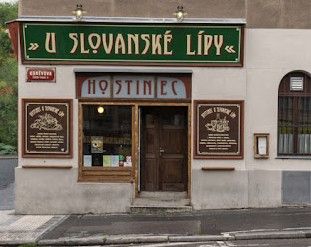
It is also a good place to stop for food or a drink. You will find several restaurants nearby, including U Slovanské lípy, a traditional Žižkov pub serving Czech cuisine, as well as burger place Philly and Co's and Planeta Žižkov, a casual local restaurant and bar right by the tunnel entrance.
From here, you can walk up to Vítkov Hill, continue through the tunnel to Karlín, or just sit for a while and enjoy another everyday corner of Žižkov. The area also reminds you of the neighborhood’s older history, when these hills were covered with gardens and vineyards long before Žižkov became the dense city district it is today.

Recently renovated Tachovské náměstí has become a small local hub for food, coffee and the walk between Žižkov, Vítkov and Karlín.
A few minutes downhill from Hostel ELF is Tachovské náměstí. Until fairly recently, there was not much reason to stop here. After its redevelopment and the reconstruction of the Žižkov Tunnel entrance, it has become a much nicer public space and a natural meeting point between Žižkov, Vítkov and Karlín. The final stage of the renovation, including the mirrored artwork around the tunnel entrance, was completed in 2025.
It is not a tourist attraction in the usual sense. There is no famous monument to photograph. We like it because it has become a little local hub where you can choose what you actually feel like eating or drinking.
For breakfast or brunch: Seifert’s Brunch
A short walk up Hartigova Street takes you to Seifert’s Brunch, one of our favourite places for a proper breakfast or brunch. It has also become one of the best-reviewed brunch places in the area — currently 4.8/5 from more than 330 reviews.
If you wake up hungry after a night in Prague, this is probably where we would send you.

Seifert’s Brunch is one of our favourite breakfast and brunch stops near Hostel ELF.
For coffee: Neboj Café
Directly on Tachovské náměstí is Neboj Café, a relatively new café that also works as a small wine bar later in the day. It is already very well reviewed and gives the renovated square another reason to stop rather than just walk through it.
For Czech food and beer: U Slovanské lípy
For something much more traditional, U Slovanské lípy sits right on the square. It is the opposite of a polished brunch café: a proper neighbourhood restaurant and pub where Czech food and beer are the point.
For cheesesteaks: Philly & Co’s
Across the area you will also find Philly & Co’s, founded by guys from Chicago and specialising in cheesesteaks, wings and unapologetically heavy American comfort food. Their Žižkov location remains open daily.
For something different: better than clasico
One of the most interesting newer restaurants here is better than clasico, just off the square on Hartigova. It mixes Korean ideas with Italian influences rather than fitting neatly into one category. A recent 2026 restaurant feature described it as a Korean-Italian fusion spot, and it currently has exceptionally strong local reviews.
For an easy local meal: Planeta Žižkov
Planeta Žižkov is right beside the tunnel entrance and is useful when you just want a straightforward meal, Czech classics, a burger or a drink without overthinking it. It also still runs weekday lunch menus.
For wine: Vinotéka Pod Vítkovem
If beer is not your thing, Vinotéka Pod Vítkovem is just around the corner. It is a small local wine place with food, selected wines and a much calmer atmosphere than a pub.
And if all you need is something fast before going out, there are also a couple of kebab places nearby.
That is why we often send guests towards Tachovské náměstí without recommending just one restaurant. Walk down from the hostel, look around and choose what you feel like: brunch, Czech food, Korean fusion, cheesesteaks, coffee, wine or something quick.
If you continue deeper into Žižkov, Café Pavlač is another pleasant café option with a courtyard, but you do not have to cross half the neighbourhood anymore just to find good coffee close to the hostel.
Žižkov TV Tower and the quieter side of the neighbourhood

The Žižkov TV Tower rises above almost every part of the neighbourhood — complete with David Černý’s giant crawling babies.
The Žižkov Television Tower is impossible to miss. At 216 metres, it is the tallest structure in Prague, with ten giant baby sculptures by Czech artist David Černý crawling up its exterior. The visitor lookout is 97 metres above the ground.
You can pay to go up, but we actually like seeing the tower from the surrounding streets just as much. Its strange futuristic shape appearing between old Žižkov apartment buildings is much more characteristic of the neighbourhood.
Just below the tower, Mahlerovy sady hides something much older: the surviving section of the Old Jewish Cemetery at Žižkov. It originally developed from a plague burial ground and is now free to visit.
Further east is the New Jewish Cemetery, established in 1890. It is much larger and still in use. Franz Kafka is buried there together with his parents, and admission is also free.

Hidden below the TV Tower, the Old Jewish Cemetery reveals a much older layer of Žižkov’s history.
Music, films and culture in Žižkov
Žižkov's nightlife is not only about pubs.
Palác Akropolis is one of the neighbourhood's most important music and cultural venues and continues to host concerts, club nights and theatre throughout 2026. Before planning a night there, check the programme — the style can change completely from one evening to the next.
Nearby Atrium Žižkov is a smaller cultural centre focusing on music, art and community events. Its programme is still active in 2026, including concerts, exhibitions and events in its garden.
And if you prefer movies, Kino Aero is Žižkov's cult art-house cinema. The programme regularly includes international films and screenings marked with English subtitles, so check the language before buying a ticket.
These are good places to remember when the weather turns bad or when you simply want a night that does not revolve around drinking.
Drink like a local

U Vystřelenýho oka is one of the Žižkov pubs we recommend when you want something with real local character.
Žižkov and pubs belong together, but there is no reason to attempt a twenty-stop beer checklist.
If we had to choose one classic place for visitors, U Vystřelenýho oka would be high on the list. Prague City Tourism describes it as one of the few Žižkov pubs that has preserved the atmosphere of an old Prague putyka. It also hosts concerts, literary evenings and other events in its courtyard.
It is not fancy, and that is precisely why you go there.
For another old-school pub atmosphere, U Sadu near the TV Tower is a good alternative. If you want craft beer rather than Czech lager, BeerGeek is just over the border towards Vinohrady.
And if your evening is heading towards clubs rather than another pub, this is where we would send you to our separate guide instead of pretending every good Prague nightclub is in Žižkov.
Parukářka: a place to slow down
Žižkov can feel dense when you are walking through its narrow streets, but it has several hills and green spaces where the city suddenly opens up.
Parukářka is one of the most local. It is less polished than Letná or some of Prague's famous parks, but that suits Žižkov. There are open views over the city, places to sit, a playground and space for a picnic or beer outside.
Below the park is Bunkr Bezovka, a Cold War shelter that gives the area another typically strange Žižkov detail.
If you only have time for one hill around the hostel, choose Vítkov. If you are spending longer exploring the neighbourhood, Parukářka is worth adding.
Take the tunnel to Kasárna Karlín

Kasárna Karlín is technically outside Žižkov, but the tunnel from Tachovské náměstí makes it an easy detour from Hostel ELF.
But from Hostel ELF it makes too much sense not to include it. From Tachovské náměstí, simply enter the roughly 300-metre pedestrian tunnel beneath Vítkov and emerge in Karlín.
From there, Kasárna Karlín is an easy continuation. The former military barracks have become an informal cultural and social space with a huge courtyard, drinks, food, sport, concerts and summer cinema.
Kasárna went through a complicated period of closure, but as of August 2026 the courtyard is open again daily in good weather. The indoor spaces remain closed, so always check the current programme before going.
It is an especially good summer option if you have already spent enough time inside pubs.
Our favourite half-day around Žižkov
You definitely do not need to visit everything in this guide.
For an easy afternoon starting at Hostel ELF, we would do something like this:
Start by walking up Vítkov Hill for the view. Come back down towards the Army Museum and continue to Tachovské náměstí.
Stop there depending on the time of day — brunch at Seifert's, coffee at Neboj, Czech food at U Slovanské lípy, Korean-Italian food at better than clasico or simply something quick.
Then choose your direction.
For more Žižkov, continue uphill through the streets towards the TV Tower, check the programme at Palác Akropolis, and later finish with a beer at U Vystřelenýho oka.
Or go in the opposite direction through the Žižkov Tunnel and spend the evening in Kasárna Karlín.
Do not try to turn it into a race. Žižkov works best when you leave some room for whatever catches your attention along the way.
Stay in Žižkov, explore all of Prague

Hostel ELF has been part of Žižkov since 2000 — a local base for exploring Prague and meeting other travellers.
One of the reasons we like being in Žižkov is that you do not have to choose between local Prague and the famous sights.
From Hostel ELF, you can walk towards Old Town in around fifteen minutes, spend the day around Charles Bridge, Prague Castle and the river, then come back to a neighbourhood that feels completely different.
Vítkov is above the hostel. Tachovské náměstí and the tunnel to Karlín are just down the road. Local pubs, food, cafés and cultural venues are all within easy reach.
And when you get back, there is still the hostel itself: our garden, common spaces and regular events are where travellers often meet before heading out together.
Žižkov may not be the postcard Prague you imagined before arriving. That is exactly why we think you should see it.
Walk the famous centre. Take the castle photos. Cross Charles Bridge.
Then come back to our side of town and see how Prague feels when it is not trying to be a tourist attraction.

PRAGUE BEER GARDENS: WHERE LOCALS DRINK OUTSIDE
Discover Prague’s best beer gardens and outdoor drinking spots, from classic parks and riverside bars to local Žižkov favourites near Hostel ELF.

ŽIŽKOV GUIDE: PRAGUE WITH A LOCAL SOUL
Discover Žižkov, one of Prague’s most characterful neighbourhoods. Explore Vítkov Hill, bars, local cafés and brunch spots, traditional pubs, the Žižkov TV Tower, cultural venues and our favourite places around Hostel ELF.

BEST ALTERNATIVE CLUBS IN PRAGUE: TECHNO, PUNK & UNDERGROUND NIGHTLIFE
Discover Prague beyond the mainstream clubs. From underground techno and drum & bass to punk, house and alternative live music, these are the nightlife spots we actually recommend. Perfect for backpackers looking to experience the city’s vibrant and unforgettable Prague club scene.

CHEAP EATS IN PRAGUE: WHERE BACKPACKERS CAN EAT WELL FOR LESS
Eat well in Prague without wasting your backpacker budget. Discover Czech canteens, cheap lunch menus, vegetarian bargains, quick local food and reliable restaurants in the city centre.

6 BEST DAY TRIPS FROM PRAGUE FOR BACKPACKERS
Prague can easily keep you busy for days, but some of the best places in Czechia are close enough for a simple day trip. Take a train or bus in the morning, explore somewhere completely different and still make it back to the hostel for the evening.

WHERE TO MEET OTHER TRAVELLERS IN PRAGUE
Travelling solo does not mean you have to explore Prague alone. Discover the best places and activities for meeting other travellers, from social hostels and walking tours to nights out, international events and summer evenings outdoors.

PRAGUE ON A BUDGET: HOW TO ENJOY THE CITY WITHOUT SPENDING MUCH
Enjoy Prague without spending too much. This practical budget guide shows backpackers how to save money on sightseeing, food, transport, nightlife and accommodation — from free viewpoints and walking routes to local neighbourhoods like Žižkov.

BEST THINGS TO DO IN PRAGUE FOR BACKPACKERS
A practical Prague guide for backpackers, solo travellers and first-time visitors. Historic sights, free viewpoints, local neighbourhoods, Czech beer, hostel events, nightlife and easy day trip ideas.

TOP 10 THINGS TO DO IN PRAGUE FOR FREE
Explore Prague without spending a crown. Discover 10 free sights, viewpoints, neighbourhoods, parks and museums, with practical local tips from the Hostel ELF team.

PRŮHONICE PARK: AN EASY GREEN ESCAPE FROM PRAGUE
A peaceful day trip from Prague to Průhonice Park, with a romantic château, ponds, walking trails, botanical collections and quiet nature just outside the city. An easy green escape from Hostel ELF for travellers who want to see more than the usual tourist sights.

ŽIŽKOV BEER FESTIVAL 2026
A popular June event in Parukářka Park with beers from small Czech breweries, food stalls, live concerts and beautiful views of Prague. The Žižkov Beer Festival is a great way to enjoy the relaxed local atmosphere of Žižkov.

ARMY MUSEUM ŽIŽKOV: ONE OF THE BEST FREE MUSEUMS IN PRAGUE
Looking for a great free activity in Prague? The Army Museum Žižkov is just steps from Hostel ELF and offers modern exhibitions, military vehicles, Czech history and one of the best hidden terrace views in the city. A perfect stop for backpackers exploring Žižkov on a budget.
WEEKEND IN PRAGUE: A VOLUNTEER’S GUIDE
Planning a weekend in Prague? This guest-written guide by Nicholas, a Hostel Elf volunteer from the USA, shares a fun and practical 3-day itinerary for solo travelers. Discover where to eat in Žižkov, how to enjoy Prague nightlife, which museums to visit, where to try Czech beer, and how to slow down with jazz, coffee, and koláče. Perfect for backpackers, solo travelers, and anyone staying at Hostel Elf for a short city break.

VÍTKOV HILL: PRAGUE VIEWS AND HIDDEN HISTORY
The National Memorial on Vítkov Hill is one of Prague’s most impressive landmarks, combining history, striking architecture, and one of the best views in the city. Find out why it was built, how its role changed over time, and why it’s worth visiting.

FOOTBALL IN PRAGUE: CLUBS, TICKETS AND HOW TO SEE A MATCH
Want to experience Prague beyond castles, bridges and crowded tourist streets? Going to a football match is a great way to see a more local side of the city. From the huge rivalry between Sparta and Slavia to an old-school Sunday morning at Viktoria Žižkov, here is how to choose a match, buy official tickets and plan your football day in Prague.

PARKING NEAR HOSTEL ELF
Arriving in Prague by car or bus can be confusing, especially near the city centre. This guide helps drivers navigate parking options around Hostel ELF, explains the parking zone system, weekend rules and pricing, and offers practical tips for both short-term and long-term parking.

CHRISTMAS & NEW YEAR’S EVE AT HOSTEL ELF
Christmas and New Year 2026 at Hostel ELF are all about sharing, meeting people, and celebrating together. From a traditional Czech Christmas Eve dinner to a pre-New Year party with grilling on the terrace, New Year’s Eve happy hours, fireworks over Prague, and classic Czech New Year’s soups to cure hangovers — it’s the perfect holiday experience for backpackers from all over the world.

CHRISTMAS 2025 IN PRAGUE
Experience the magic of Christmas in Prague 2025! Wander through charming markets, sip mulled wine, taste traditional Czech treats like trdelník, and discover handcrafted gifts. Our guide highlights the best spots to soak up the festive atmosphere and make your winter visit unforgettable.

SAINT MARTIN'S PARTY 2025
Celebrate St. Martin’s Day with us at Hostel ELF! Join our traditional St.Martin Party on Saturday, November 15th — enjoy roasted chicken, red wine, and cozy Czech autumn vibes as we honor this classic local tradition in our own ELF style.

HALLOWEEN PARTY AT HOSTEL ELF
Join us for our traditional Halloween Party at Hostel ELF on Friday, October 31st! 👻 Expect spooky decorations, a cozy BBQ, free vodka with juice, and a night full of music, fun, and costumes. While Halloween isn’t a Czech tradition, we love celebrating it ELF-style — with pumpkins, laughter, and good vibes. Come meet other travelers, show off your best costume, and enjoy a hauntingly good time in Prague!

SIGNAL Festival 2025
Experience the magic of Prague at Signal Festival 2025! From October 16–19, the city transforms into a luminous canvas of digital art, immersive installations, and spectacular light shows. Discover major video mappings, indoor exhibitions, waterfront projections, and interactive experiences that blend technology, art, and nature — perfect for travelers and locals seeking an unforgettable cultural adventure.

Autumn Wine Festivals 2025
Come and celebrate this year's grape harvest festival. Young wine and wine 🍾, whose taste and aroma unite us and create unforgettable experiences. The grape harvest festivals in Prague and their surroundings are not only for families and friends but also for tourists and foreigners who want to experience the atmosphere of Czech culture and traditions associated with the grape harvest 🍇.

Street Food at Smíchov river bank
🌮🍔🍤 Hello! Do you enjoy tasting street food from all over the world? Then don't miss this Sunday tip! 😋 On Sunday, July 14th, you can look forward to a great atmosphere and tasty treats at the Smíchov riverbank. 🌍

BEST SWIMMING SPOTS IN PRAGUE
Whether you’re after a relaxing dip, river vibes, or a full-day water adventure, Prague has it all. From the local favorite Podolí Pool and eco Biotop Radotín to the chill Baden Baden spot on Štvanice Island — discover the best places to swim, meet locals, and cool off during your Prague stay.

PRAGUE ICE CREAM FESTIVAL 2024
Ice cream enthusiasts, get ready for a sweet explosion of flavors! Join us to celebrate the weekend at the Prague Ice Cream Festival!

2024 IIHF Ice Hockey World Championship in Prague
The Czech Republic is once again on the map of world hockey!

St. MATTHEW'S FAIR IN PRAGUE!
St. Matthew's Fair 2024 in Prague: Traditional Fun for Everyone. Try New Experiences! 🎠
FOOD TOUR - ŽIŽKOV
How to choose the ideal restaurant that will satisfy your taste buds and provide you with an unforgettable gastronomic experience

NEW WINDOWS AT ELF
Hostel ELF: A New Era of Tranquility or the End of Noise